Why Budgeting Should Be More Than an Annual Exercise
A budget prepared once a year and then filed away has limited value. Regular review, rolling forecasts and clear ownership make budgeting a management tool.
Read articleGross margin, operating cash flow, receivable days, inventory days and break-even point — five indicators that give a practical view of business health.
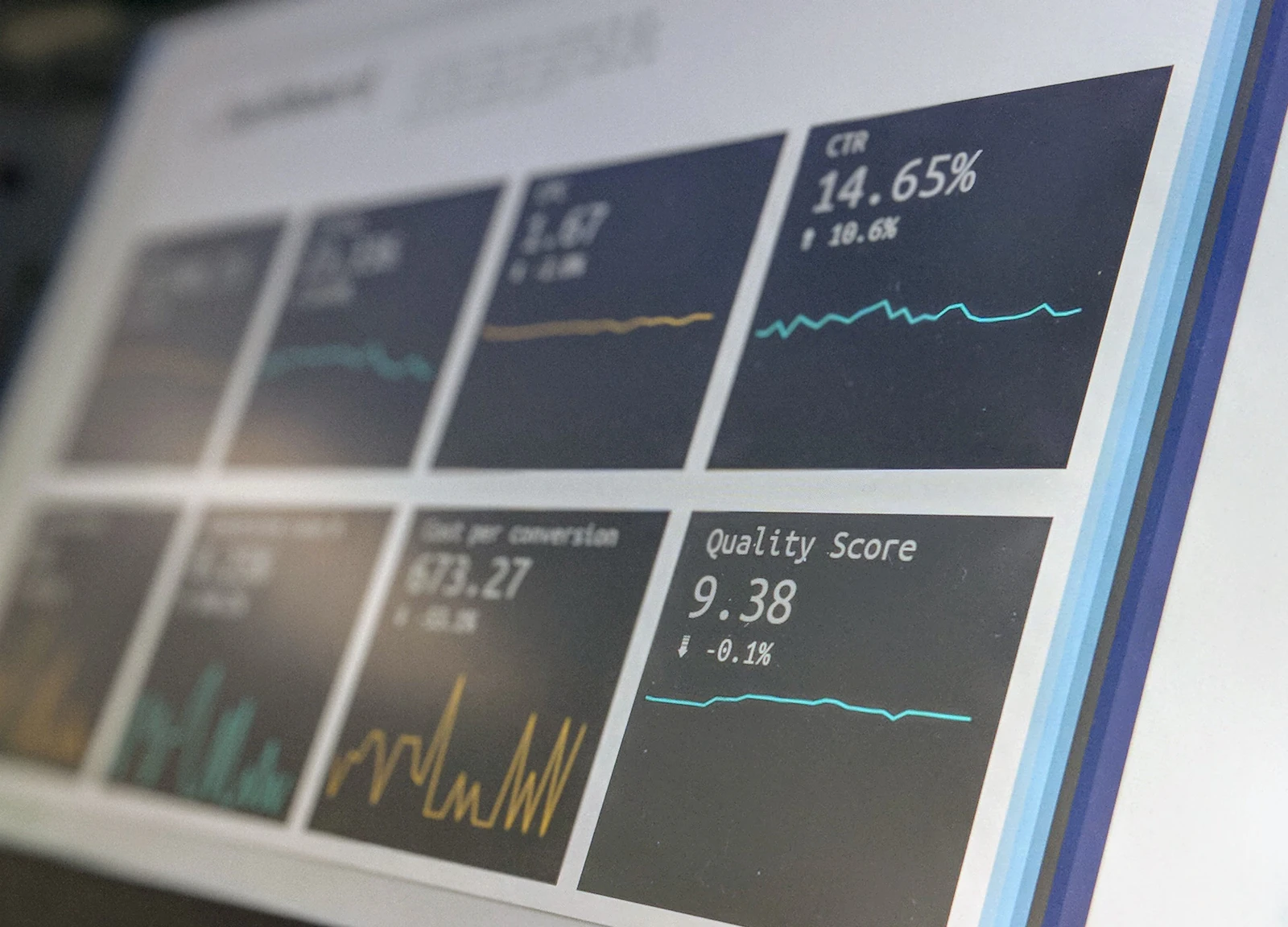
Business owners are surrounded by data, but only a handful of indicators are needed to understand the financial health of most businesses. Monitoring them regularly — ideally monthly — helps identify issues early.
Gross margin shows how much of each rupee of sales remains after direct costs. A declining gross margin may point to pricing pressure, rising input costs, wastage or a change in product mix. Tracking it by product or service line adds further insight.
Profit and cash are not the same. Operating cash flow shows whether day-to-day operations are generating or consuming cash. A business can report profits while its cash position weakens, particularly during periods of growth.
Receivable days measure how long, on average, customers take to pay. Rising receivable days increase the cash tied up in the business and may indicate collection issues or concentration risk with particular customers.
Inventory days indicate how long stock is held before it is sold or consumed. High inventory levels tie up cash and storage space and increase the risk of obsolescence; very low levels may affect service. Regular physical verification helps ensure the recorded figure reflects reality.
The break-even point is the level of sales at which the business covers all its fixed and variable costs. Knowing it helps owners understand how much headroom exists and how changes in prices or costs affect risk.
No single indicator tells the whole story. Reviewed together, and compared with budgets and previous periods, these five measures give a practical, balanced picture of performance and liquidity.
This article is general information and does not constitute professional advice.

Founder & Principal of ARGK & Associates, Cost and Management Accountants, Hyderabad. Articles are general information and not professional advice for any specific situation.
Keep reading
 Financial Management & MIS
A budget prepared once a year and then filed away has limited value. Regular review, rolling forecasts and clear ownership make budgeting a management tool.
Read article Financial Management & MIS
Working capital is the cash needed to run the business day to day. Understanding the operating cycle helps owners plan funding and reduce pressure on cash flow.
Read article Financial Management & MIS
A concise monthly MIS turns accounting data into decision-ready information: performance against budget, cash position, margins and the few indicators that matter most.
Read articleContact
For information about the practice and its professional service areas, use the contact details or the enquiry form.
General information only; not a professional engagement. Chats are saved so the practice can follow up. Privacy